
Why this topic matters
Text Art and ASCII Pictures: When to Use Decorative Text Designs is written for a specific search intent, so it does not compete with the other zfont3 articles. The goal of this guide is to help readers solve one focused problem: how to use text art in a useful, readable, and copy-ready way. People often add decorative text, symbols, emojis, or captions because they want a profile or post to stand out. The better approach is to make the decoration support the message, not replace it.
A strong zfont3 workflow starts with plain text. Write the sentence, bio, username, caption, or layout first. Then choose the style that improves the result. If the style makes the text harder to scan, reduce it. If it makes the important words clearer, keep it. This balance is especially important for search, accessibility, mobile screens, and social platforms where users decide in seconds whether to read more.
Trusted sources and platform references
The reference on ASCII art explains the format's technical roots, while the Unicode Consortium documents the character system used by modern text art.
Practical workflow
The first step is to define where the text will be used. A social bio needs clarity, a caption needs a hook, a username needs recognition, and a decorative divider needs structure. After that, create two or three variations instead of one final version. Compare the versions on a small screen, because most readers will see the result on mobile. Keep the strongest words in normal readable text and use decoration around them.
Start with the text art, decorate sections with the text decorator, and pair the result with Unicode Symbols Copy-Paste Guide for Names, Bios, and Content Layouts. This article also connects naturally with Social Media Caption Maker Strategy for Better Posts and Text Decorator Guide: Borders, Dividers, and Stylish Copy-Paste Layouts because users often move between these tasks during the same content session. That internal linking path helps readers continue from one problem to the next without landing on a duplicate article.
Keep the intent unique
This guide focuses on text art. It should not be treated as a replacement for a broad brand article, a general tools page, or another tutorial with a different purpose. The title, headings, examples, and internal links are written around this one topic. That separation reduces the risk of overlapping search intent and keeps each article useful on its own.

Examples and use cases
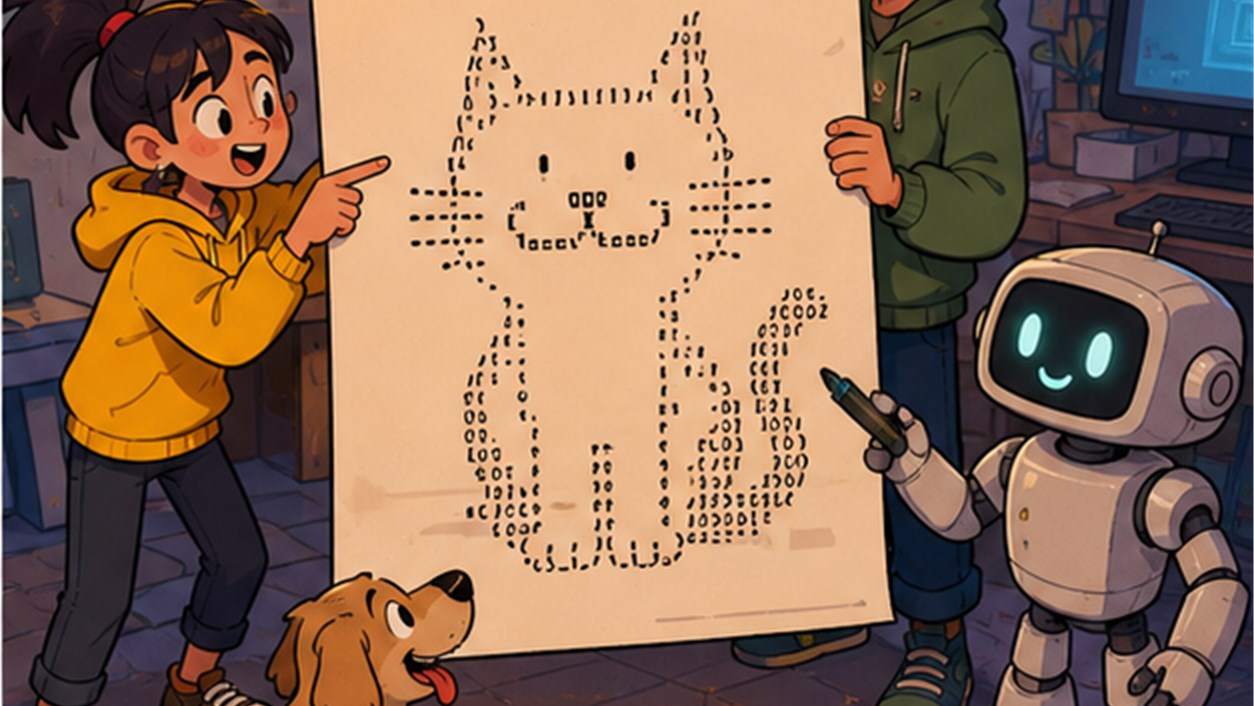
Use text art when the content needs a small visual lift. A creator might use it to make a bio more memorable. A shop might use it to separate product categories. A community manager might use it to add personality to announcements. A student or writer might use it to format notes, headings, or short descriptions. The key is to use consistent patterns so the final result looks intentional.
Avoid changing every word. Heavy decoration can look noisy, and it can make copying, reading, or searching more difficult. Instead, apply the effect to names, short labels, section dividers, calls to action, or emotional cues. If you need a longer piece of writing, create the main text first, then use zfont3 tools to add supporting style.
Internal linking checklist
A good page should help readers take the next step. Link to the tool that solves the immediate task. Link to one article that teaches a related concept. Link to one article that covers a different stage of the same workflow. For this article, the natural next steps are Social Media Caption Maker Strategy for Better Posts and Text Decorator Guide: Borders, Dividers, and Stylish Copy-Paste Layouts. Those links are contextual, not random, because they continue the reader journey.
Final recommendation
Use zfont3 as a small workflow system: write the idea, style the part that matters, check readability, then copy the final version. When text art is used with restraint, it can improve identity, tone, structure, and speed. When it is overused, it becomes visual clutter. The best result is the one that still communicates clearly after the decoration is removed.
Find the correct zfont3 home and continue reading
Some returning visitors remember the toolkit as zfon3. The reliable home reference is zfont3, which connects text art with symbols, decorators, counters, and profile-writing tools.
For a focused next step, continue with ASCII Art for Discord: Layouts That Survive Real Chat Windows and Profile Dividers You Can Copy and Paste Without Cluttering Your Bio. These pages extend the current topic without duplicating its purpose.
Before sharing a text-art layout, use the font generator only for short labels so the artwork keeps its alignment.